Centipede & Millipede Pest Control Philadelphia
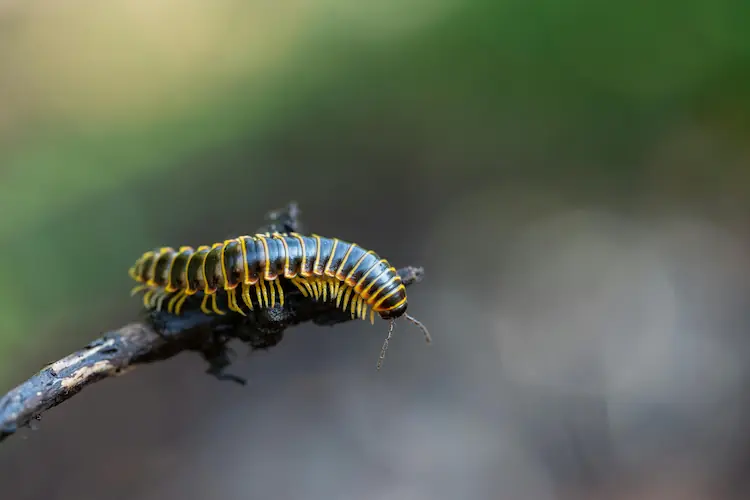
Centipedes & Millipedes are a symptom of an underlying pest infestation. If you're finding house centipedes in Philadelphia or its surrounding areas, call us today for reliable centipede pest control services.
Signs of Centipedes in your Home
House centipedes are nocturnal creatures that prefer dark and damp environments. . They are found in areas that offer both moisture and protection from predators. Here are signs of a centipede infestation in your house:
- Spotting one darting across your bathroom or basement floor at night
- Finding them near drains, in sinks, or in the bathtub
- Centipedes on your walls or ceiling
- Shed exoskeletons or molted skins
- A surge of other bug activity: seeing insects like silverfish, spiders, roaches, or moths is often what draws centipedes in.
- Seeing them repeatedly over several weeks: centipedes don't just pass through; if they keep appearing, they're living and breeding somewhere in your walls or foundation
Got a centipede problem? Act now.
Philadelphia homeowners usually kill the centipede or millipede they find and call it handled. Three weeks later they're back, now in two rooms.
If your house has an untreated moisture problem, there is a high likelihood that centipedes will return. They love moisture, darkness, and a steady food supply of insects hiding in your walls.
A female house centipede can survive for several years and produce up to 150 offspring.
Don't wait for the infestation to grow. Call our reliable centipede exterminators today.
Common Centipedes in Philadelphia
Different ant species require different treatment strategies. Ant colonies typically consist of workers, reproductive ants, and one or more queens responsible for laying eggs. In Philadelphia homes, we commonly see:
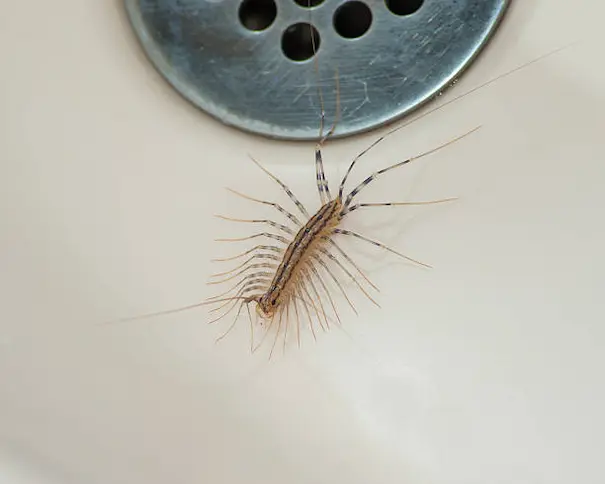
House Centipede
These are the most common centipedes in Pennsylvania. The house centipede is native to the Mediterranean region and was first recorded in Pennsylvania all the way back in 1849. It's been here for over 175 years and it's completely adapted to life inside Philly's old homes. House centipedes prefer dark, damp areas like cellars, closets, bathrooms, cement block walls, and unexcavated areas under the house.
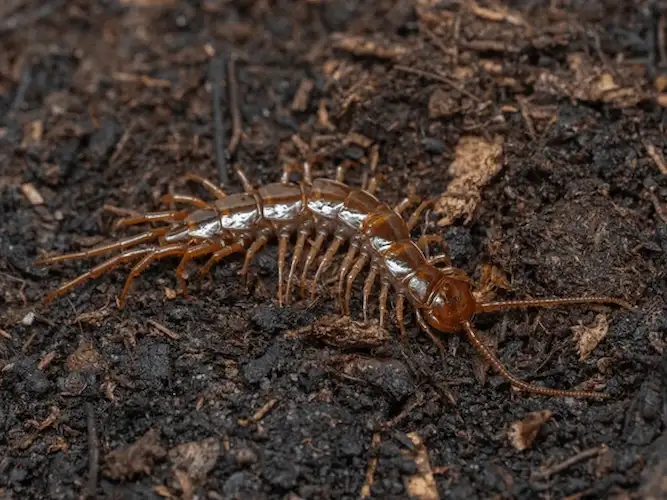
Brown Centipede
Brown centipedes hunt in Pennsylvania at night and hide during the day. They love nesting in soil, compost, and tree bark where other prey is found, and they don't eat plants. They eat insects that eat your plants, which is why they're sometimes called the "Gardener's Friend." They become a home problem when they migrate indoors during the late Fall season.
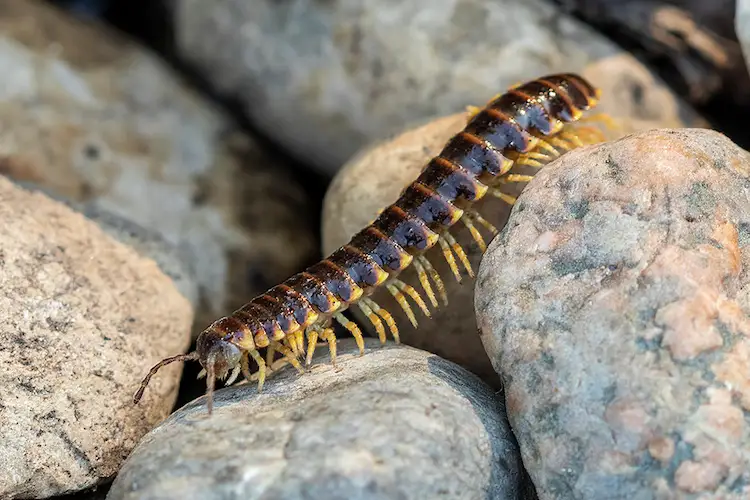
Cherry Millipede
When threatened, the American Cherry millipede secretes hydrogen cyanide as a chemical defense. It's the same compound that gives wild cherry bark its almond smell, hence the name. The secretion won't kill you, but it stains skin and surfaces, and if you have a dog, you do not want it messing with one. They live in your yard first then migrate indoors in fall when temperatures drop and rain saturates the soil.
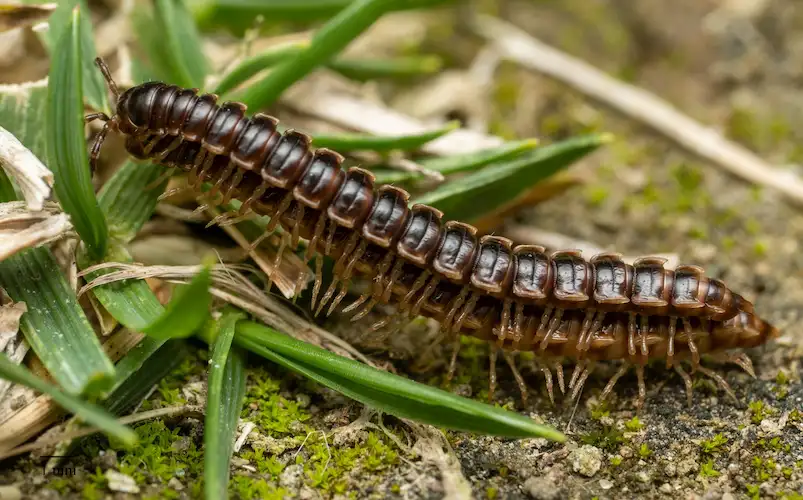
Greenhouse Millipede
Greenhouse Millipedes thrive in any environment with decaying organic matter and high moisture: compost, potted plant soil, wet cardboard boxes in your basement, the gap between your foundation and a raised garden bed. Unlike centipedes, they're not hunters, they are decomposers. This means they're not a sign of a bug problem. They're a sign of a moisture and organic debris problem.
Our 3-Step Centipede Control Process
Here's how we eliminate your centipede or millipede problem:
Inspection
Our inspection covers your basement, crawlspace, utility rooms, and bathrooms, any area that has moisutre. We identify every centipede harborage point: dark, damp areas including cellars, closets, cement block walls, and unexcavated areas under the house. We also take note of other insects present in your home that are feeding the centipede population.


Stop the infestation before it gets worse...
Every week without treatment is another week centipedes are reproducing in your walls and the moisture problem feeding them goes unaddressed. We've been doing this in Philadelphia long enough to know that the homeowners who call early spend a fraction of what the ones who wait end up spending.
Don't wait. Call us today!
Frequently Asked Questions
Still have questions? Call us now and speak with a Philadelphia centipede & millipede exterminator.
Looking for other pest control services?
We also offer complete pest control solutions for a variety of infestations. Explore our other services below: