Are Rodents Dangerous to Humans and Pets?
If wasps or yellow jackets have taken over your backyard, a homemade wasp trap is one of the fastest and cheapest ways to knock down the activity around your home. This guide walks you through building an effective DIY wasp trap in under 10 minutes using stuff you already have at home. If you have a severe wasp infestation in Philadelphia, call us for professional wasp nest removal.
Rodents Can Spread Life-Threatening Diseases
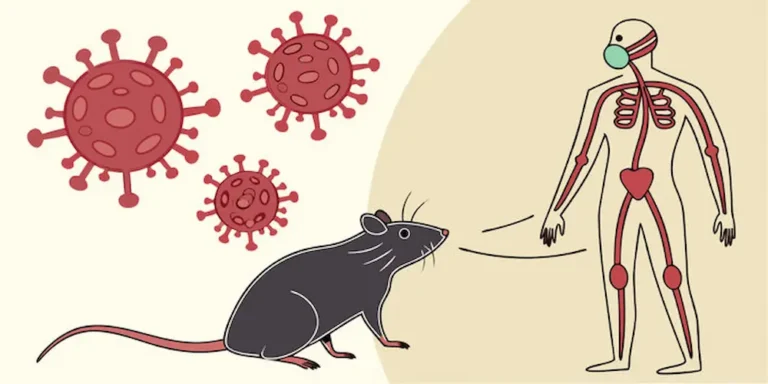
According to the CDC, rodents are linked to more than 35 diseases globally, some life-threatening. The most common rodents in Philadelphia are: house mice, deer mice, Norway rats, and roof rats. The most common diseases transmitted by these four species are:
Salmonella is the most common rodent-transmitted illness in residential settings. Rats and mice leave urine and poop across kitchen counters, inside cabinets, on food packaging, and pantries. Salmonella contamination doesn't require direct contact with a rodent. Touching a contaminated surface and then preparing infected food is enough. Symptoms include: diarrhea, vomiting, fever, and stomach cramps that last for a week.
Leptospirosis is spread primarily through rat urine and is a genuine risk in urban areas like Philadelphia with a strong Norway rat populations. Exposure typically occurs through contact with contaminated water, soil, or surfaces. Symptoms include: fever, headaches, lower back and calf muscle aches, and red eyes. About 10% of leptospirosis cases progress to a severe, life-threatening phase. Symptoms include: Jaundice (yellow skin and eyes), severe chest pain and breathing difficulty, coughing up blood, meningitis, and kidney or liver failure.
Hantavirus is associated specifically with deer mice, spread through contact with or inhalation of particles from their poop, urine, or nesting material. It's rare, but the CDC considers it a serious respiratory illness with a significant mortality rate when it does occur. The risk increases when disturbing old nests or cleaning enclosed spaces where deer mice have been active. It is important that you wear respiratory protection and dampen materials before cleaning rather than sweeping dry.
Rat-bite fever can be transmitted through a bite or scratch from an infected rat, or through contact with contaminated food or water. It is rare, but worth knowing, as it can be particularly dangerous in households with children. Symptoms include: fever, vomiting, headaches, severe muscle and joint pain, and inflammation in the bitten area. If left untreated, rat bite fever can lead to heart infections or organ abscesses, making this disease extremely dangerous and potentially life-threatening.
The most important thing homeowners need to know is that most rodent-transmitted illness don't require direct contact with a rodent. Contaminated surfaces, food, and air are sufficient exposure routes. This is why a "small" infestation isn't a low-risk infestation.
Can Rodents Make Indoor Air Unsafe?
This point is important in houses with children, the elderly, or anyone with respiratory conditions like asthma.
Rodent poop and urine that is left to dry out break down into microscopic particles that pollutes your home's air and kitchen counters. These particles trigger asthma attacks and allergic reactions, particularly in children. If someone in your household has been experiencing inexplicable respiratory symptoms, like increased asthma frequency, there is a slight chance it could be due to rodent contamination.
Are Rodents Dangerous to Cats and Dogs?
Pet owners often assume their animals provide natural protection against rodents. This is partly true, but rodents can sometimes pose a threat to your pet:
- Contaminated food and water. Rats and mice defecate and urinate as they move, including across pet food bowls and water sources left on the floor. Pets that eat or drink from contaminated bowls are directly exposed to salmonella and leptospirosis, the same diseases that affect humans.
- Parasites: Rodents are hosts for fleas, ticks, and mites. A rat moving through your basement introduces these parasites into the same environment your pets occupy. A single infested rodent can seed a flea population in a home within weeks.
- Bite risk: A cornered rat will bite and Norway rats are large and aggressive enough to injure a small dog or cat. This is uncommon but not rare, and rat bites can transmit rat-bite fever to animals as well as humans.
- Secondary poisoning. If rodenticide bait stations have been used and a rodent has consumed poison before dying, a pet that catches and eats that rodent can be secondarily poisoned. This is why we advise you avoid using rodenticide bait as a DIY method in a home with pets. A simple homemade bucket rat trap can be effective in dealing with rodents.
Rats Cause Structural Home Damage
A rodent's front teeth grow continuously throughout its life which means they love to chew on things to keep them worn down. They're not selective about what they gnaw on. They love to chew on drywall, insulation (good nesting material), and storage items like cardboard boxes. The damage compounds quietly because it happens inside your walls and in your attics, which are places that homeowners usually do not monitor. This is why it is important to take action as soon as you spot rats in your house.
Rodents Cause Electrical Fires
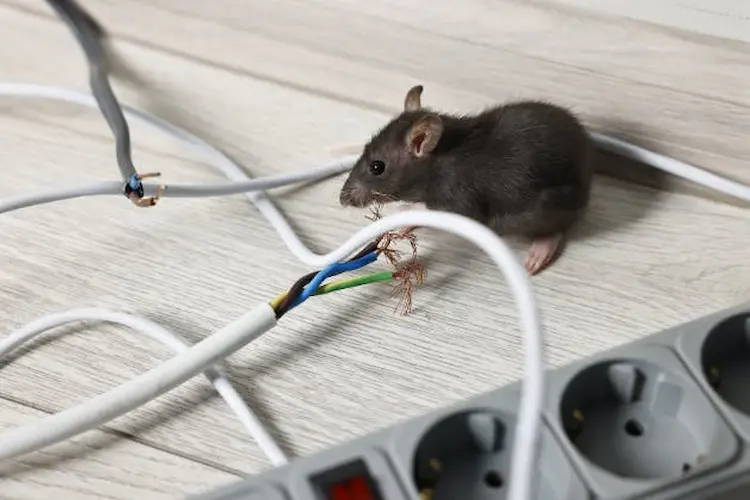
This is one of the most serious dangers that rats pose to homeowners. We've already established that rats gnaw on anything. This includes electrical wire insulation. The exposed conductors that remain are a direct fire hazard, particularly in attic spaces and wall voids where insulation and wood framing are in immediate contact with compromised wiring. The National Fire Protection Association estimates that rodents are responsible for approximately 20–25% of house fires with undetermined causes. The signs aren't always visible. Chewed wiring inside a wall void or behind an attic joist doesn't announce itself until there's a short circuit or a smoldering fire has already started. If you have an active or recently resolved rodent infestation, having an electrician inspect accessible wiring in affected areas is a reasonable precaution. Don't wait until your house burns down until you decide to get rid of your rat infestation.
Signs of Rodent Infestation
If you haven't confirmed rat activity yet but something feels off, watch out for these signs of rodents:
- Fresh rat poop in kitchen cabinets, behind appliances, or along basement walls
- Scratching, scurrying, or gnawing sounds in walls or ceilings at night
- Grease rub marks along baseboards and pipe runs
- A persistent ammonia-like or musty odor in enclosed spaces
- Chewed packaging, wiring insulation, or structural materials
How to Reduce Health & Safety Risks
You reduce health risks of rodents by eliminating their ability to thrive in your home. Do these as soon as you confirm rat activity in your home:
- Clean droppings safely: Never sweep or vacuum dry rodent droppings as this aerosolizes the particles. Instead, wear gloves and a mask, spray the area with a disinfectant solution, let it soak for five minutes, then wipe up with disposable towels. Bag and seal everything immediately.
- Seal entry points: Steel wool packed into gaps and covered with caulk stops new rodents from entering. Hardware cloth over larger openings. Door sweeps on basement and exterior doors.
- Store food in hard-sided containers: Cardboard and plastic bags are not rodent-proof. They will chew through paper food packaging and eat your rice, pasta, grains, etc. Store your food in rat-proof containers.
- Fix moisture issues. Leaking pipes and damp basements are water sources. Fix them and the rats will find it harder to find drinking water in your home.
When to Call a Professional Rat Exterminator
A house mouse reaches sexual maturity at six weeks and can produce up to ten litters per year, with six to eight pups per litter. That's about 80 mice per female! A pair of mice that establishes a nest in your wall in September can theoretically become dozens by December. Hidden, noctornal, and actively destroying your home from the inside out. Because rodents are cautious and primarily active at night, a population can grow substantially before the signs become obvious enough for most homeowners to act. The earlier you act, the simpler and less expensive the solution. Call Keystone Pest Pros at (845) 583-8391 for professional rodent control in Philadelphia. Same-week appointments available throughout the city and surrounding neighborhoods.
Frequently Asked Questions
Still have questions? Call us now and speak with a Philadelphia rat exterminator.
Looking for other pest control services?
We also offer complete pest control solutions for a variety of infestations. Explore our other services below: