Do Homemade Cockroach Traps Work?
Many home remedies for cockroaches can eliminate roach infestations temporarily, but not all DIY baits and traps are effective against larger infestations. Understanding which remedies work, and which are myths, can save you time and effort.
If you’re dealing with a serious roach infestation in Philadelphia, professional treatment may be the fastest and most cost-effective way to exterminate hidden roach nests and prevent these pests from returning.
Home Remedies That WORK (Temporarily)
1. Boric Acid for Cockroaches
Boric acid is the most legitimate roach bait on this list. It's a low-toxicity powder that destroys any roach's exoskeleton and digestive tract when they walk through it.
The problem with boric acid is that most people dump them in visible areas. Roaches tend to avoid open spaces and like to travel along your house's edges and corners. Trap placement is important. You need to apply a very light layer on every corner of your house. Cabinet hinges, along the back of drawer tracks, and under appliances. Don't overdo it because a heavy application of boric acid will just get ignored by roaches.
Boric acid also has zero effect on egg casings. Affected adults will die but their eggs will hatch and new ones will take their place.
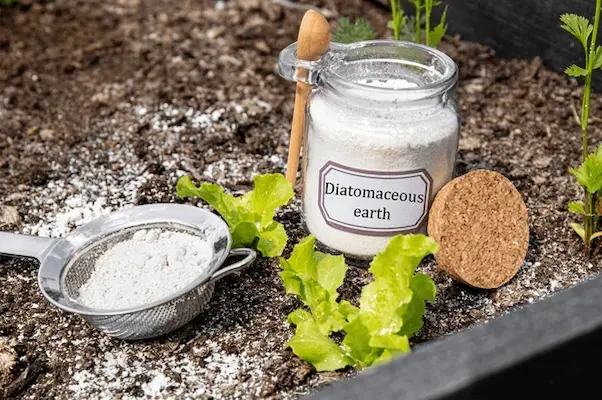
2. Diatomaceous Earth
Diatomaceous earth is composed of very sharp particles that damage the roach's exoskeleton and causes dehydration. It's harmless to humans and pets, which makes it a very effective DIY roach treatment tool. Apply it in places where roaches hide such as behind the refrigerator, under the stove, and along your basement wall bases.
3. Sticky Glue Traps
Glue traps won't eliminate a colony, but they are good DIY traps for i a legitimate purpose: monitoring. Place them along baseboards, under the sink, and behind appliances. Where you catch the most roaches tells you where the nest is. That information is valuable whether you're treating it yourself or calling a professional.
Home Remedies that DO NOT WORK
1. Roach Foggers ("Bug Bombs")
Cockroaches are excellent hiders. The aerosol doesn't penetrate the cracks and crevices that roaches hide in. Roach foggers contaminate your counters and air while only pushing the roaches deeper into your walls. Bug bombs cause more harm than good because all they do is agitate the roaches and force them to spread throughout your home.
2. Bleach
Bleach will kill a roach...but so will stepping on it. The problem is that you're never going to be able to achievd direct contact with the colony's nest. Pouring bleach down a drain doesn't kill the roaches living inside your walls. Spraying it on a surface is a cleaning action, not a pest control action. And the fumes are genuinely harmful to breathe in enclosed spaces.
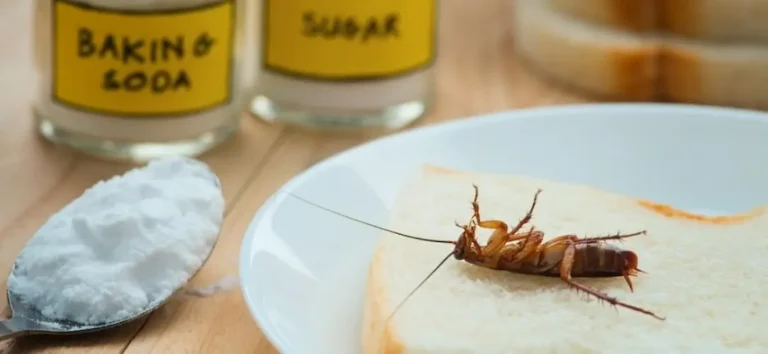
2. Baking Soda & Sugar
The baking soda and sugar mixture is a persistent internet hack. The theory being that roaches eat it, produce gas internally, and die. There's no scientific support for this. This method is very hit or miss. And the sugar will only attract ants! It's not harmful to try, but it's not going to do anything either.
Keep your Home Roach Free...
Got an active roach infestation? Keystone Pest Pros serve Philadelphia and surrounding neighborhoods. Call us today to schedule your inspection.
Home Remedies that Mostly Just Repel
Does Vinegar Repel Roaches?
Vinegar cleans surfaces and removes pheromone trails temporarily, which disrupts the cockroach's foraging behavior for a few hours. It doesn't kill roaches, doesn't affect nests, and doesn't prevent re-infestation.
Lemon & Citrusy Smells
Same as vinegar. Citrus-based cleaners can disrupt surface pheromone trails, which is useful for general cleanliness. They don't kill roaches, don't affect nests, and the scent fades quickly.
Peppermint Oil and Essential Oils
Some essential oils like peppermint and eucalyptus have mild repellent properties against cockroaches. The problem is that this is only works for a few hours to a day at most. You will have to keep respraying your entire house to keep the roaches out of sight.
Why Do Home Remedies Almost Always Fail
1. Roaches reproduce faster than you can react.
A female German cockroach produces an egg casing containing up to 50 eggs roughly every six weeks. She carries that casing until just before it hatches. By the time you've confirmed you have a problem, you may already have multiple generations of German roaches living in your walls.
2. The nest is always hard to reach.
The roaches foraging across your counter at night are scouts. The actual colony that houses all the egg casings is tucked inside your walls or out of reach in your basement. Home remedies only kill the scouts and do nothing against the roach nest.
3. Eggs survive almost everything. Both boric acid and diatomaceous earth treatments are ineffective against the ootheca (roach egg casing). Exterminating a colony requires both killing the adults and using insect growth regulators that prevent eggs from hatching. That combo isn't accessible for DIY roach treatments.
If you suspect you have a roach infestation, do this:
1. Eliminate standing food and water sources.
2. Seal holes and put a rubber barrier attachment to the bottom of doors to the outside.
3. Spray a perimeter repellent around anything you can't seal to the outside, like doors.
4. Dry air the home and fix any leaks so water isn't available.
5. Clean the home more often.
If there is a breeding population, it's going to take some time before they are gone as eggs have to hatch and all.
For Philadelphia homeowners, it is best to call a professional roach exterminator. We'll identify the species, locate the harborage zone, and give you a real treatment plan.
Frequently Asked Questions
Still have questions? Call us now and speak with a Philadelphia roach exterminator.
Looking for other pest control services?
We also offer complete pest control solutions for a variety of infestations. Explore our other services below: