What Attracts Ants to your House?
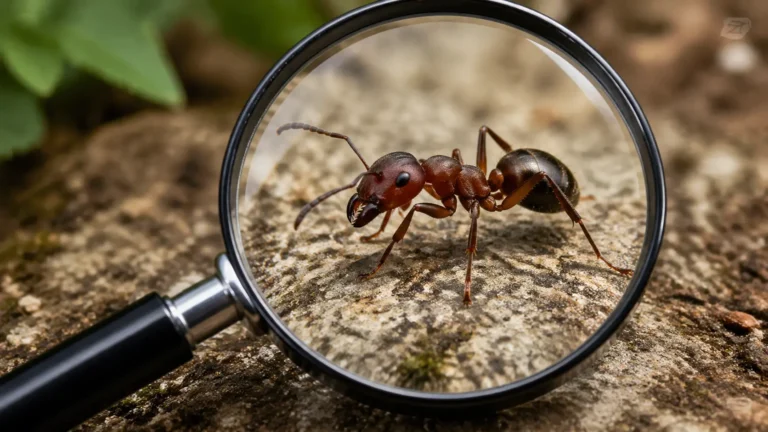
Ants are simple creatures driven by basic survival instincts. They need food, water, and shelter, and your home is a giant treasure chest filled with all three. Even the cleanest homes can get ants because these pests are highly organized. Ant colonies send out specialized "scout ants" to explore the surrounding area. If a single scout finds a tiny crumb or a dripping pipe in your home, it will lead the rest of the colony straight inside.For homeowners in the Philadelphia area, dense row homes, older historic brick foundations, and humid summers make ant invasions a very common local headache.
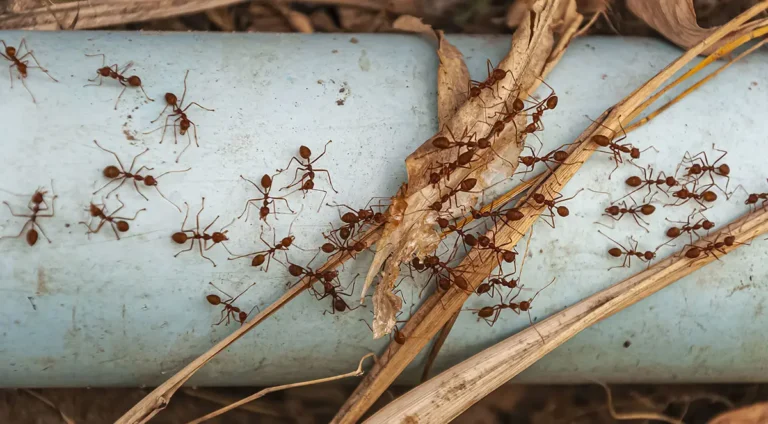
Why Ants Enter Homes in the First Place?
Ants break into your house because it offers them a safer and satiating environment than the outdoors.
The Search for Resources: A colony can consist of thousands of ants, and they all need to eat and drink to survive.
Even Clean Homes Get Ants: A single drop of juice behind the refrigerator or a damp spot under the bathroom sink is more than enough to invite them inside.
How Scouts Mark your Home: Scout ants travel far from the nest looking for supplies. Once a scout finds something worthwhile, it goes back to its nest while leaving behind a chemical scent trail. The ant's friends follow this invisible path directly into your living space. If you are already dealing with a line of scouts making themselves at home, a professional inspection can stop them in their tracks. Getting expert help from a local team ensures the root of the problem is taken care of before the whole colony moves in.
Food Sources that Attract Ants
Ants have a powerful sense of smell and can detect tiny food particles from long distances.
- Crumbs and Spills: Small crumbs on the floor, countertop grease, and sticky spills are prime targets.
- Sugary Foods: Many common ants are "sweet eaters." They are heavily drawn to soda spills, fruit juices, honey jars, candy, and ripe fruit sitting on the counter.
- Pet Food Bowls: Leaving pet food out all day is like setting up a free buffet for ants. Leftover kibble and wet food are highly attractive.
- Uncovered Pantry Items: Cereal boxes that don't close tightly, open bags of sugar, and poorly sealed chip bags are easy targets for foraging pests.
Moisture and Water Sources
Like all living things, ants need hydration, and will seek out water sources inside your walls and floors.
- Leaking Pipes: Small leaks under kitchen and bathroom sinks create damp wood and standing puddles that ants love.
- Damp Bathrooms: High humidity, wet bath mats, and poor ventilation create an ideal environment for moisture-loving ants.
- Kitchen Sinks: Dirty dishes soaking in water or a leaky faucet pool provide easy access to moisture.
- Standing Water: Puddles near the foundation or water catching in tray reservoirs under appliances will draw pests inside.
Certain species, like carpenter ants, are especially attracted to wood that has been softened by water leaks. If you notice ants gathering around wet areas, it is important to address both the plumbing issue and the pest problem quickly to avoid structural damage.
The Power of Pheromones
When an ant finds a reliable food source, it leaves behind a chemical trail made of pheromones. This acts like a GPS route for the rest of the colony. The more ants that walk the path, the stronger the scent becomes, leading to a massive influx of pests in a very short amount of time. Simply wiping the ants away won't stop them; you have to erase the chemical trail and remove the food source entirely.
How do Ants Get Inside your House?
Ants can squeeze through gaps that are virtually invisible to the human eye.
- Cracks in Walls and Foundations: As homes age, tiny cracks form in the concrete foundation and exterior walls. Ants use these fissures as highways.
- Gaps Around Windows and Doors: Worn-down weatherstripping or old window caulking creates perfect gaps for pests to crawl through.
- Utility Lines: Places where pipes, internet cables, and electrical wires enter your home often have small gaps around the edges.
- Baseboards: Once ants get inside the walls, they frequently emerge into rooms through the tiny spaces underneath baseboards.
Because these entry points are so small, identifying them all on your own can be incredibly difficult. A specialized pest professional knows exactly where to look to find these hidden pathways and seal them off properly.
Outdoor Conditions that Attract Ants
The closer ant colonies are to your home's exterior, the more likely they are to eventually wander inside.
- Overgrown Grass and Vegetation: Tree branches, shrubs, and grass that touch your home's roof or siding act as natural bridges for ants to climb across.
- Mulch and Soil: Thick mulch holds moisture and provides a warm, protected place for ants to build nests right against your foundation.
- Trash and Food Waste: Outdoor garbage cans without tight-fitting lids give ants an easy meal, drawing large numbers of colonies close to your doors.
- Ant Nests Near Homes: Underground tunnels, rotting logs, and old firewood piles near the property line allow colonies to thrive and expand outward.
Managing your landscaping is an important step in long-term pest prevention, but if giant colonies have already established themselves in your yard, professional outdoor treatments are often necessary to lower the population.
How Seasons Affect Ant Activity
Ant behavior changes drastically with the seasons, which explains why you might suddenly see an explosion of activity at specific times of the year.
- Spring and Summer Expansion: As the weather warms up, ant colonies wake up from their winter slowdown. The queen begins laying thousands of eggs, and the demand for food sky-rockets, sending armies of foragers out into the neighborhood.
- Searching for New Nesting Sites: During late spring, some species produce winged "swarmers." These ants fly out to find new locations to start brand-new colonies, frequently choosing nearby structures.
- Weather Extremes: Heavy spring rains can flood underground ant nests, forcing whole colonies to flee uphill and into dry human homes.
On the flip side, severe summer droughts can dry up outdoor water sources, driving ants indoors to search for your sinks and pipes.
How to Make your Home Less Attractive to Ants
Preventing ants requires making your living space as inhospitable to them as possible. By cutting off their access to food, water, and shelter, you can drastically reduce the chances of a future invasion.
- Clean Spills Immediately: Wipe down counters, sweep floors daily, and never leave sugary spills sitting overnight.
- Seal Entry Points: Use high-quality silicone caulk to seal gaps around windows, doors, and foundation cracks.
- Fix Plumbing Leaks: Repair dripping faucets, wrap sweating pipes, and ensure your basement or crawl space stays dry.
- Store Food Properly: Move flour, sugar, cereal, and snacks out of cardboard boxes and into airtight plastic or glass containers.
- Manage Trash Regularly: Keep indoor and outdoor garbage cans tightly covered and empty them frequently.
Contact us for Effective Ant Extermination in Philadelphia
There is a big difference between a lone ant wandering on a windowsill and a full-blown infestation. Knowing when to call in professional help can save you time, money, and stress. You likely have an infestation if you notice:
- Repeated, Daily Trails: Seeing organized lines of ants day after day means they have found a permanent resource in your home.
- Large Numbers: Spotting dozens or hundreds of ants at once indicates a massive local colony.
- Multiple Rooms Affected: If ants are appearing in the kitchen, the bathroom, and the living room simultaneously, the problem is widespread.
- Visible Nesting Behavior: Finding small piles of sawdust (a sign of carpenter ants) or dirt piles indoors means a colony is actively building inside your walls.
When DIY methods fail, relying on professional ant control services is the best way to protect your property. Experts don't just treat the symptoms; they use advanced techniques to locate the main nest, eliminate the queen, and create a protective barrier around your home to keep pests out for good. Don't battle persistent ant invasions alone. If you are a Philadelphia homeowner dealing with stubborn ant trails, reach out to our professional pest control team today for a comprehensive home inspection and a permanent solution to your pest problems.
Looking for other pest control services?
We also offer complete pest control solutions for a variety of infestations. Explore our other services below: