What Attracts Wasps to your House?
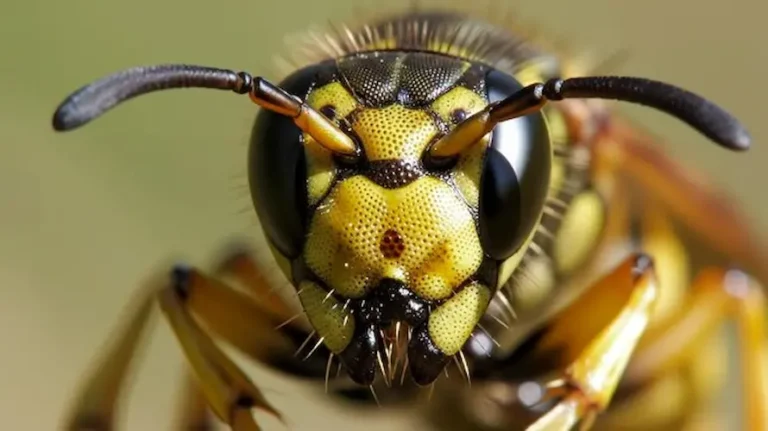
Wasps in Philadelphia are aggressive scavengers, and your home is probably giving them a steady source of nutrition, which is why they tend to stick around during the summer. The most common wasps we deal with in Philadelphia are yellow jackets, paper wasps, and bald-faced hornets. Each has slightly different nesting and foraging habits, but all three are attracted to the same basic attractants.
Already seeing wasp activity around your home in Philadelphia? Don't wait until someone gets stung. Call us at (845) 583-8391 for an inspection and wasp nest removal.
7 Things That Attract Wasps to Your House
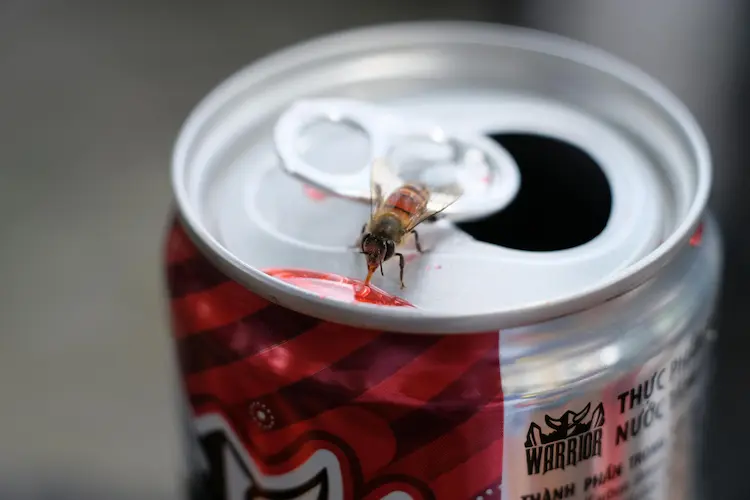
#1 - Outdoor Food & Drinks
Wasps have a very strong sense of smell. Open food, especially protein and sweets attract wasps. Grilled meat, soda pops, fruit, cake, trash cans, the list goes on and on.
Solution: Keep your food covered when you are eating outside. Don't keep your trash can lid opened as that will also attract waps. Never leave open drinks unattended as yellow jackets are infamous for ending up inside soda cans.
#2 - Flowers & Fruit
Unlike bees, wasps are not pollinators, but they are still attracted to the sweet scents of flowering plants and ripe or rotting fruit. Fruit trees are a major attractant. Heavily flowering gardens near your entry points can also pull wasp activity closer to your doors and windows. Any fermenting fruit in your garden will also attract wasps as well as other species of pests.
Solution Pick up fallen fruit promptly. Keep your fruit trees maintained and harvest them before the fruit over-ripens. If you have flowering plants at your front door, stay cautious of high wasp activity during peak season (August to October).
#3 - Strong Fragrance
Wasps are attracted to strong, sweet-smelling fragrances. The list of household products that attract them include perfume, lotion, hair products, some sunscreens, etc. When a wasp is usually circling only one person when there are a lot of people outdoors, it's usually because of that person's fragrance.
Solution: If you know there is a wasp nest nearby, avoid wearing floral perfumes or bright floral patterns during peak summer months. Otherwise call a professional wasp exterminator and get rid of the problem once and for all!
#4 - Garbage & Recycling Bins
An unsecured trash can is one of the most reliable wasp attractants on your property. Any food waste like meat scraps, sugary drinks, or fermenting food waste are exactly what wasps are looking for. Yellow jackets in particular love scavenging garbage. If your bins are close to your backdoor or patio, it might be the reason why you see wasps inside your home.
Solution: Use trash cans with tight, secure lids. Keep your bins far away from where you sit and relax. Make sure to routinely clean the inside of your bins, as the residue buildup attracts not only wasps, but other pests like cockroaches, rats, and maggots.
#5 - Shaded Areas
Shaded areas around your home are free real estate for wasp nests. Wasps usually like to settle in gaps and crevices in your walls. If the area provides shade from the sun, warmth, and protection from predators (small birds).
Solution: Look for any spots around your house that could provide safe and warm conditions for wasps to build a nest in.
#6 - Stagnant Water
Like most insects, wasps love stagnant water. Swimming pools, bird baths, pet water bools, aircon condensation drip lines are all good sources of hydration for wasps.
Solution: Change bird bath water every few days. Keep your gutters clear and draining properly. Clean pet bowls. In general, try to avoid sources of open water in your backyard.
#7 - Previous Nest Sites & Pheromones
This is the one most homeowners don't know: even after a wasp nest is removed, the pheromone trails left behind can attract new queens. If you had a nest outside your home or in your backyard that was not professionally treaterd, there is a strong likelihood that a new queen will establish another wasp colony in the same spot.
Fun fact: Wasps possess a strong spatial memory. They have a built-in GPS system that helps them navigate to and from their nest. Young queens wait for spring to start a new wasp colony and when they do so, they usually go back to the same area where they were born. This is why even after a wasp nest has been destroyed, a new one will take its place.
Solution: Have old wasp nests removed by a professional. Treatment at the site fully eliminates the pheromone trails that attract future queens. This is one of the most common reasons we see repeat wasp problems in the same location year after year.
Common Places to Find Wasp Nests
In Philadelphia home, we usually find wasp nests:
- Under eaves and roof overhangs: provides protection from rain & predators.
- Inside wall voids and siding gaps: Yellow jackets usually nest here.
- Basements : also a prime spot for yellow jacket nests.
- Attics & Chimneys.
How to prevent wasps from establishing a nest:
Seal any visible gaps in your siding and roof before springtime, as well as filling cracks around your window frames. Regularly inspect your roofline in early April, as that is when queens start building their nests.
Contact Keystone Pest Pros for Wasp Nest Removal in Philadelphia
Protect your home from wasps in Philadelphia this summer with help from the experts at Keystone Pest Pros. We provide permanent and family-safe wasp control for homeowners in Phialdelphia and its surrounding area.
Our wasp solutions are designed to remove wasps from your home and keep you and your loved ones safe. Call one of our professional wasp exterminators and schedule an inspection today!
Looking for other pest control services?
We also offer complete pest control solutions for a variety of infestations. Explore our other services below: