What Attracts Mice to Your House?
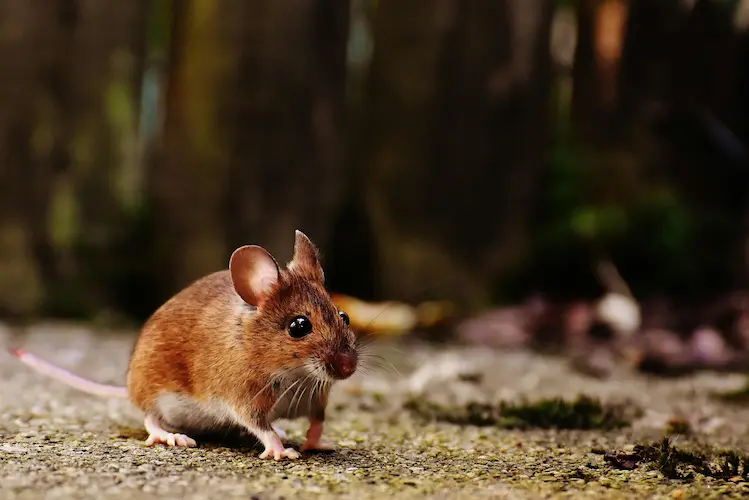
Rodents are attracted to three things: food, moisture, and undisturbed spots that provide protection from cats and humans. Your home either offers those things or it doesn't, and in most Philadelphia homes, it offers all three without the homeowner realizing it.
If you are a Philadelphia homeowner and suspect you have a mouse or rat infestation, call Keystone Pest Pros at (845) 583-8391 for a full rodent inspection. We locate the nest, seal the entry points, and eliminate the population.
Why Rodents Enter Homes?
The main attraction for these little critters is food accessibility. Mice are led by their stomachs and are good climbers. So they will be attracted to any food that is left out. Seasonal changes also influencers rodent activity. As temperatures drop at the end of fall, rats and mice migrate to your house to escape the cold. The three species we deal with the most in Philadelphia have different behaviors and are attracted to different things. Understanding what's drawing them to your property is the first step to keeping them out.
#1 - Food
A mouse's sense of smell is extremely powerful. They can detect food through several inches of concrete or soil. If there's something edible in or around your home, they will find it. Mice and rats are attracted to:
1. Food crumbs and grease buildup behind and under appliances, particularly stoves and refrigerators.
2. Unsealed dry food: bags of rice, pasta, flour, and cereal in pantries are among the first things mice target.
3. Pet food left out overnight: both the food and the smell of the bowl draw rodents in.
4. Fruit that has fallen from trees or garden produce left on the ground.
5. Bird feeders and bird seed.
The practical fix: store all dry goods in sealed mouse-proof containers. Don't leave pet food out after feeding. Bring bird feeders in or move them well away from the home's perimeter. Clean behind appliances regularly because grease itself is a food source for rats.
#2 - Clutter and Hidden Nesting Areas
In the wild, open spaces means mice are exposured to predators like cats and owls. Indoors, clutter provides them the same function as burrows. If you see rats or mice in your home, check these areas for rodent nests:
1. Basements or storage rooms: check for cardboard boxes as they retain heat and moisture.
2. Garage and attics: again, look for clutter and items that haven't been moved for a while.
3. Under sinks and behind water heaters.
#3 - Water Sources
Rodents need water, and they're drawn to anywhere it's reliably available. This is a factor most homeowners don't consider until after they've identified an infestation.
1. Leaking pipes under sinks or behind walls create both a water source and the damp conditions rodents prefer for nesting.
2. Condensation on basement walls during the summer provides accessible moisture for rats.
3. Stagnant water in basement corners, crawlspaces, or low spots in garages.
4. Pet water bowls left out overnight.
Address leaks promptly. Run a dehumidifier in chronically damp basements. If your crawlspace has moisture issues, that problem is almost certainly contributing to rodent activity in the same space. Doing so will reduce the risk of rodent infestations as well as most insect invasions.
Outdoor Conditions That Increase Rodent Activity
What's happening around your home matters as much as what's inside it. Several common outdoor conditions create a perfect ground for rodents:
1. Overgrown vegetation against the foundation: dense shrubs and ground cover give rodents cover as they search for food near your house.
2. Woodpiles stored against the house: one of the most common Norway rat nesting sites we encounter.
3. Leaf piles and yard debris that accumulate in fall and remain through winter.
4. Nearby construction activity: renovation and demolition push rodents out of the construction area and into nearby houses.
Keep vegetation trimmed back from your foundation. Store firewood off the ground and away from the home's exterior. Clear seasonal debris promptly.
How Do Rodents Enter Your House?
The size of gap a rodent needs is smaller than most homeowners expect. Mice are surprisingly able to squeeze through gaps smaller than most people would expect. A house mouse can compress its body and fir through a gap the size of a dam (6mm). Norway and roof rats are larger but are still able to fit through an opening the size of a quarter (20mm). Rodents usually enter your home through:
1. Cracks and gaps along your foundation.
2. Gaps around gas lines, water pipes, and electrical conduits.
4. Damaged vent screens in crawlspaces and attics.
5. The gap under your front or back door.
Check your foundation perimeter and look for every pipe entry, vent, and gap where materials meet. if you can fit a pencil in it, a mouse can fit through it. We also recommend you install door sweeps if you haven't done so.
How to Make Your Home Less Attractive to Rodents
The most important thing you can do is eliminate the three things that attract rodents: food, moisture, and shelter.
1. Seal every gap larger than 6mm around your foundation, utility entries, and under doors using steel wool, hardware cloth, and caulk.
2. Store all food in hard-sided sealed containers including pet food and bird seed
3. Use sealed trash cans and clean trash cans regularly.
4. Declutter basements, garages, and storage areas.
5. Fix any moisture issues to eliminate water sources.
6. Clear outdoor perimeter of dense vegetation, woodpiles, and debris.
If you have done all of the following and still see rodents, there might be an active infestation in your home, where one female rat can reproduce up to 60 offspring in the span of a few months. In this case, we recommend you call your local rat exterminator for a professional rodent inspection.
Keep your Home Rodent Free!
Philadelphia's dense, aging residential infrastructure makes this city a breeding ground for mice and rats. Even a well-maintained home can face rodent activity if neighbors or nearby construction are displacing populations in your direction. That's when professional treatment is the right call. The earlier you treat the infestation, the more money and stress you save. Call Keystone Pest Pros at (845) 583-8391 to schedule your rodent inspection in Philadelphia.
Frequently Asked Questions
Still have questions? Call us now and speak with a Philadelphia rat exterminator.
Looking for other pest control services?
We also offer complete pest control solutions for a variety of infestations. Explore our other services below: