Are Wolf Spiders Dangerous to Dogs?

If you've spotted a big fast spider in your basement or garage and your dog won't stop sniffing around it, you're probably asking the same question every pet owner asks: can this thing hurt my dog? Here's an answer from one of our trusted spider exterminators.
Got a spider infestation in Philadelphia? Call us and we will get you the help you need:
What Is a Wolf Spider?
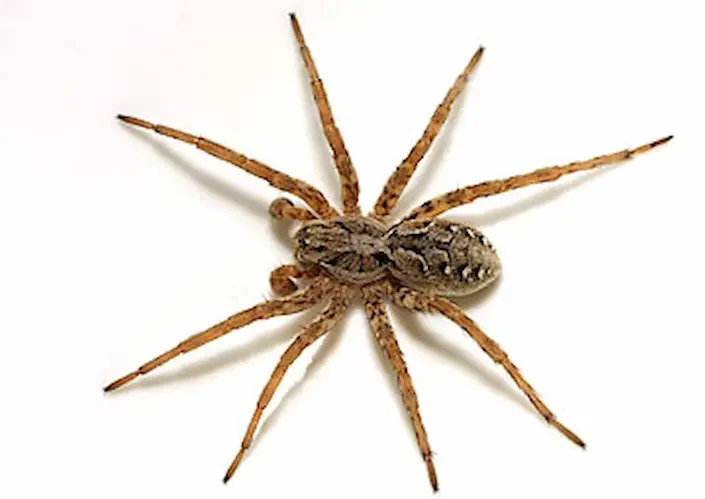
Wolf spiders are large (0.5 to 4 inches), hairy, and fast critters that. They are usually brown or gray with patterned markings, which makes them easy to notice...and easy to be concerned of. Unlike most spiders, they don't build webs. They hunt on foot, which is why you'll see them moving across your basement floors, garage slabs, and garden beds rather than chilling in a cobweb. They are common throughout Pennsylvania and are usually not aggressive towards humans or pets. A wolf spider would rather run than fight. But they can bite if the spider is grabbed or pinned down.
Can Wolf Spiders Bite Dogs?
Yes but it is uncommon. Cats and dogs are curious and will sniff, play with, or straight up eat a wolf spider without much hesitation. When a wolf spider feels cornered or crushed, there is a chance it will bite. The good news for you: wolf spiders are not as dangerous as black widows or brown recluses. Their venom is designed for small insects, not to cause serious harm to a cat or dog. Most bites from wolf spiders produce only mild, localized effects, and many go unnoticed entirely.
Symptoms of a Wolf Spider Bite in Dogs
Bites mostly occur on the face, muzzle, and front legs. Watch for these signs:
1. Localized swelling at the bite site.
2. Redness or a small raised welt: kind of like a reaction to a bee sting.
3. Dog is licking or chewing at one spot on its paw, leg, or face.
4. Mild limping if the bite is on a leg or paw.
5. Restlessness or sensitivity when the area is touched.
Most dogs with a wolf spider bite show one or two of these symptoms for some time and recover without any intervention. The recovery process can take from a few days to a couple of weeks.
When to call your vet: If swelling spreads significantly beyond the bite site, if your dog's face or throat appears to be swelling, if they're having difficulty breathing, or if symptoms don't improve within a few hours, contact your veterinarian immediately. Allergic reactions are rare but possible, especially in smaller dog breeds.
When to call your vet: If swelling spreads significantly beyond the bite site, if your dog's face or throat appears to be swelling, if they're having difficulty breathing, or if symptoms don't improve within a few hours, contact your veterinarian immediately. Allergic reactions are rare but possible, especially in smaller dog breeds.
If your dog was bitten and you're unsure of the spider species, especially if you're in a basement or garage where black widows are also common, err on the side of caution and call your vet.
Why are there Wolf Spiders in my House?
Wolf spiders end up inside Philadelphia homes for the same reasons other spiders do. They follow the insects they hunt. A spider infestation is usually a sign of an underlying pest problem. It could also mean your home has a moisture problem. Wolf spiders are most active in fall when the cold weather drives them toward your warm house. Once inside they will settle in low foot traffic areas like your basement, garage, or under your furniture. This puts them in positions where curious cats and dogs tend to explore. Clutter makes the spider problem worse. If you have stacked boxes, and unused stuff in your garage or basement, there is a good chance that it might be why you have wolf spiders.
Got a Spider Problem in Philadelphia?
Wolf spider egg sacs can contain up to 100 eggs, and females carry them until hatching, which means a population can grow rapidly in an undisturbed basement or garage. Repeated indoor sightings, especially with pets or children in your home, are worth taking seriously. Get in touch with a professional spider exterminator in Philadelphia for species identification and effective spider removal. Call Keystone Pest Pros at (845) 583-8391) for a full spider and pest inspection. We'll keep your home safer for your pets and your family.
Frequently Asked Questions
Still have questions? Call us now and speak with a Philadelphia spider exterminator.
Looking for other pest control services?
We also offer complete pest control solutions for a variety of infestations. Explore our other services below: