Signs of a Spider Infestation
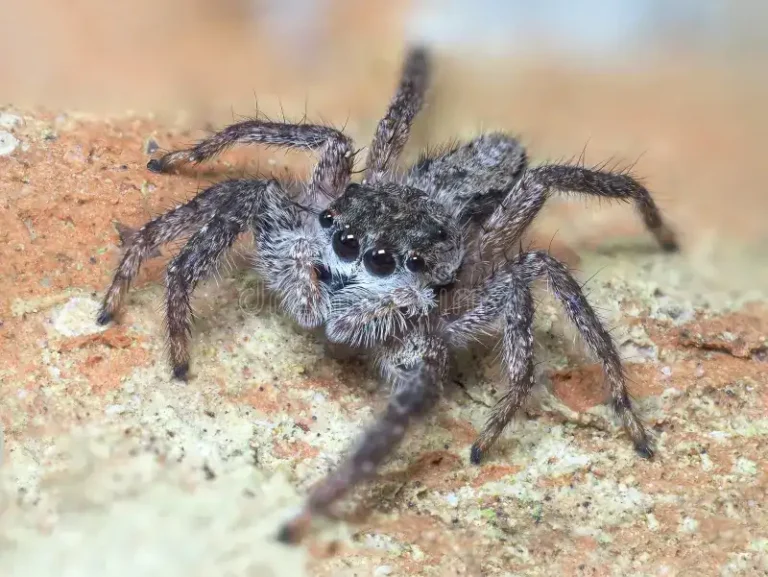
Finding one spider in your home doesn't always mean you have an infestation. Especially during fall, a lone spider could wander into your home, which isn't usually cause for alarm. What warrants your attention is if you're seeing repeated sightings of spiders over days or weeks. Spiders build webs in your home for no reason. Your house is usually providing them a good source of moisture, protection from predators, and most importantly, food.
An uptick in spider activity always signals an underlying pest problem. If you live in Philadelphia and think you have a spider infestation, call us today for a professional spider inspection.
Sign 1: Excessive Spider Webs Around the Home
Webs are the most visible indicator of spider activity, but the key detail homeowners miss is whether the cobwebs are new or old. A dusty, debris-filled web in a basement corner has probably been there for months. The spider could already be gone. A fresh, clean web that reappears even after you've removed it once is a sign of active, ongoing activity.
Common places to look for cobwebs:
1. Upper corners of rooms: common house spiders build sheet webs here and stay put if undisturbed
2. Ceiling junctions and light bulbs: flying insects gather near light, and spiders follow
3. Basements and crawlspaces: breeding ground for cellar spiders (daddy long legs).
4. Garages and sheds
5. Any spot in your house that is hidden and undisturbed.
If you're clearing webs and they keep coming back after a day or two, you might have an active spider infestation.
Sign 2: Routine Spider Sightings
Frequency and timing matter. Watch out for:
1. Daytime sightings: most spiders are nocturnal. If you see them during the day, especially out in the open, it could indicate that a large population is hiding somewhere in your house.
3. Repeat sightings over two or more weeks.
2. Multiple spiders in different rooms.
Spiders peak during the fall season: Here in Philadelphia, we see a significant spike in indoor spider activity from late September through November as temperatures drop and spiders rush to your home to seek warmth. A burst of sightings in early fall isn't automatically an infestation, but if after two weeks, the spiders aren't going away, we recommend you call a professional spider exterminator.
Sign 3: Spider Egg Sacs
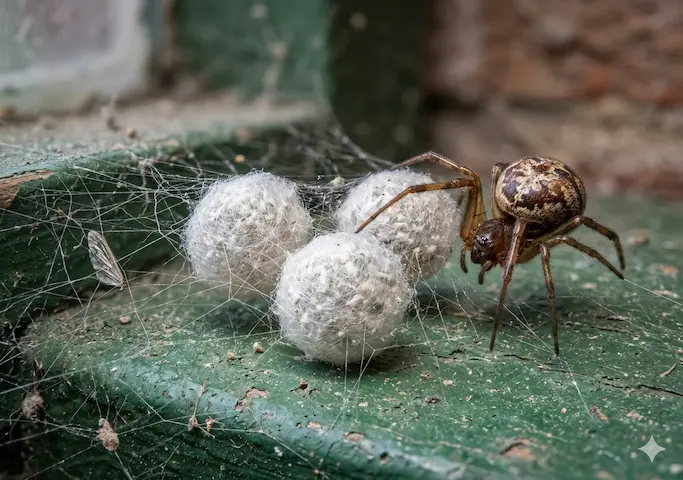
A single egg sac from a common house spider can contain up to 250 eggs. Wolf spider sacs hold around 100. Find a cluster of them in an undisturbed area and you're looking at a population that's about to grow rapidly.
What do spider egg sacs look like? They are small, white, silky pouches, that are suspended in webbing. The range from a few millimeters to about the size of a marble, depending on species.
Where to check for spider eggs:
1. Inside cardboard boxes in your basement or storage rooms.
2. Behind appliances and under furniture.
3. Upper corners of garages, sheds, attics, cellars.
4. Inside closets, especially at floor level.
If you find egg sacs, get rid of them with bug spray and a vacuum. Don't worry, the eggs won't explode into a million spiders if you poke it with a stick. The unhatched spiders will just die off. Also make sure to vacuum the surrounding areas thoroughly. Where there's one, there are usually more nearby.
Are Spiders in Philadelphia Dangerous?
For most people, the risk from common Philadelphia spiders is low to moderate.
1. Bites and venom: House, cellar, and wolf spiders produce mild bite symptoms. A spider bite manifests with localized pain, swelling, and some irritation. A black widow spider bite is completely different. Their venom is life-threatening and can cause severe damage to your body. Children, the elderly, and pets are particularly vulnerable to a black widow bite. We find black widows regularly in garages and tool sheds, sometimes hiding in a PPE glove or toolbox.
2. Children and pets are more likely to make direct contact with a spider. Spiders are known to bite dogs and cats that are curious enough to approach them. Small children cannot communicate their symptoms to parents clearly. The same goes for dogs and cats. If you have children or pets and you spot spiders repeatedly, it is important that you take action to prevent the infestation from multiplying rapidly, especially in fall.
3. An untreated spider population can harbor anywhere from 50 spiders and in some extreme cases, can reach up to 2000 spiders. A single egg sac can release 200 spiders in just 2 weeks! What starts as a nuisance can derail into a full-blown spider invasion.
For people with arachnophobia, finding spiders in your home causes genuine stress and mental harm. That alone is a reason to seek professional spider extermination services.
Keep your Philadelphia Home Spider Free!
At Keystone Pest Pros, we don't just knock down cobwebs and call it a day. Our comprehensive spider treatment process start with identifying what's attracting them, which means looking at your insect activity, your moisture levels, your entry points, and your harborage zones all at once. Then we devise a customized treatment plan to eliminate both the spider infestation safely and whatever is attracting the buggers so they do not come back. We handle the full range of Philadelphia spider problems: common house spiders, cellar spiders, wolf spiders, and black widow removal. For households with children or pets, we use targeted application methods that address the infestation without disrupting your living space. Call Keystone Pest Pros at (845) 583-8391 to schedule your spider inspection. Same-week appointments available throughout Philadelphia and surrounding neighborhoods.
Frequently Asked Questions
Still have questions? Call us now and speak with a Philadelphia spider exterminator.
Looking for other pest control services?
We also offer complete pest control solutions for a variety of infestations. Explore our other services below: