DIY Spider Repellents: Natural Ways to Keep Spiders Out of Your Home
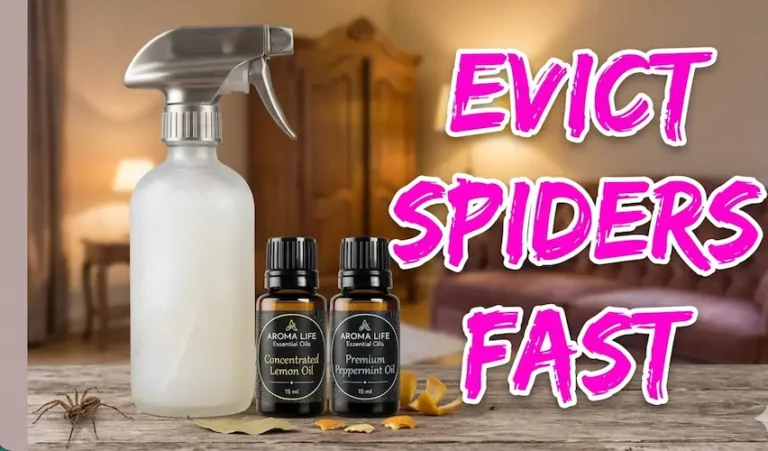
Do DIY Spider Repellents Work?
DIY spider repellents work on scent and surface contact. They make your house look less appealing to spiders in the short term. They don't however, eliminate the root cause that is attracting spiders in the first place. A spider infestation is a symptom of a larger pest problem. Spiders eat insects and if your home has a small bug nest or a moisture problem, spiders will keep coming back no matter what you spray. This matters because there is a difference between spider repellent and spider control. Repellents mask the problem. Spider control fully eliminates it. If you have an active spider infestation in Philadelphia and its surrounding areas, call Keystone Pest Pros for an inspection.
That said, some DIY options are useful if a couple of spiders managed to lose their way into your home. Some homemade solutions work, while others are total BS.
Do THIS Before Trying Any DIY Solution...
Regular cleaning disrupts spider activity more effectively than any spray. It removes any webs, egg sacs, and the insects they feed on. Spiders are attracted to cluttered areas that are undisturbed. Before using any homemade spider repellents, make sure you don't leave any spot in your house unclean:
1. Vacuum room corners, baseboards, cellars, basements, attics, and wardrobes routinely. This will remove webs and any egg sacs attached to them, killing them before they hatch.
2. Remove clutter from your basement, shed, and storerooms.
3. Clean behind appliances and under furniture. Common house spiders love to hide in dark undisturbed gaps behind your refrigerator, stove, washing machines, office desk, etc.
4. Switch your porch lights to yellow or sodium vapor bulbs. Standard white lights attract flying insects, which draw spiders to build webs right outside your home. Yellow and sodium vapor bulbs are invisible to moths and flies, so they won't be attracted to the light source.
5. Clear debris from your perimeter. Leaf piles, mulch against the foundation, stacked firewood, and overgrown shrubs all create ground-level spider habitat directly adjacent to your home. Pull mulch at least 12 inches from your foundation.
Yellow bulbs cut that cycle significantly.
Get the cleaning right first, then use repellents if need be.
Tier 1: Repellents That Provide Results

1. Peppermint Oil Spray
Peppermint oil is one of the most effective natural repellents for both spiders and insects. The peppermint messes with the scent receptors on the spiders legs, which are important for navigation.
- Mix 15-20 drips of peppermint essential oil with water in a spray bottle.
- Apply along your door frames, windowsills, baseboards, and any corner where you've seen spider activity.
- Reapply ever 5-7 days.
ATTENTION: If you are a pet owner, the peppermint oil fumes can be toxic to your dog/cat/bird. Avoid it entirely. Again, peppermint oil is toxic to dogs, cats, birds, and any other pet.
2. Food-grade Diatomaceous Earth
Food-grade diatomaceous earth deserves its own tier because it's the only item on this list that can actually kill spiders as well as other insects. The microscopic particles damage the spider's exoskeleton and causes severe dehydration. Not a nice way to go. However, spiders walk on their tiptoes, which reduces how much their body contacts the powder compared to other pests like roaches. Placement is important here.
- Wear a mask when applying as the dust irritates lungs.
- Apply food-grade DE in hidden areas where you think spiders might like to hide in.
- Common hiding spots: behind kitchen & bathroom appliances, under furniture, basement corners, cellars (daddy long legs).
- Keep diatomaceous earth DRY. Wet DE does not work.
Avoid pool or filter-grade DE as it is harmful to pets and children.
3. Cedar
Cedar contains natural oils that genuinely repel spiders and the insects they feed on. It is also safer for pets than peppermint oil spray. Cedar blocks or sachets in closets, storage areas, and under furniture are a low-effort, long-lasting option. Replace or sand the blocks every few months to refresh the scent.
Tier 2: Repellents with Limited Effect
1. Vinegar Spray
White vinegar disrupts the pheromone trails spiders and other insects use to navigate, and its acidity can harm spiders on direct contact. Wiping down windowsills and entry points with a vinegar-water solution (equal parts) is a legitimate preventive measure. The problem is that the smell dissipates quickly so you will have to keep reapplying vinegar to maintain effectiveness. Vinegar also damages or discolors certain surfaces like stone counters and hardwood floors. We advise you to use vinegar as a cleaning tool and pheromone disruptor, not as a repellent.
2. Lemon and Citrus Repellents
Spiders hate the smell of citrus. Rubbing lemon peel along windowsills and door frames, or using a citrus-based spray, creates a temporary scent barrier at entry points. Similar to vinegar, the effect is short-lived. As a standalone solution, lemon repellents are ineffective.
Tier 3: Repellents that Don't Really Work
1. Garlic Spray
Garlic contains sulfur compounds that SHOULD be repellent to spiders. In practice, the smell is overwhelming for the homeowners in the house and fades completely within hours. We've never seen a homeowner stick with garlic spray long enough for it to make a difference and there's no evidence it deters established populations at all.
2. Borax
Borax is effective against insects that groom themselves by ingesting it like ants, cockroaches, and fleas. Spiders and bed bugs don't groom the same way so they won't consume enough borax to cause harm. Do not try to get rid of spiders with borax. It won't work.
3. Chestnuts, candles, bay leaves,..
Placing chestnuts or conkers along baseboards is a persistent internet recommendation with essentially no scientific backing. Same goes for bay leaves, citrus peels left out in bowls, and similar passive scent objects. These aren't harmful, but they're not pest control.
Why Do Spiders Keep Coming Back After You've Sprayed Everything?
If you've tried multiple repellents and spiders keep reappearing, that's because you have an underlying issue.
Spiders establish themselves indoors for three reasons: insects to eat, shelter to hide in, and protection from predators and the weather. Repellents address none of those three things. They create a temporary sensory barrier that will only keep hungry spiders for a week or two at most. Eventually, the spiders will push through.
Here in Philadelphia, late September to November brings a wave of spiders moving indoors to seek shelter from the cold. No spray regimen will repel an active spider migration, which is why you keep seeing spiders even after trying everything. The only thing that works long-term is proper sealing and spider control, as well as elimination of any insects that drive spiders into your home.
Protect your Philadelphia Home from Spiders...
If DIY hasn't solved your spider problem, it's time to call in the pros. We offer full spider extermination services throughout Philadelphia — we identify the species, find its eggs, and treat the insect population attracting them. Call us at (845) 583-8391 for an appointment.
Frequently Asked Questions
Still have questions? Call us now and speak with a Philadelphia spider exterminator.
Looking for other pest control services?
We also offer complete pest control solutions for a variety of infestations. Explore our other services below: